
Blogger’s Note: About a month ago, I shared some information on my #chronicillness, #IdiopathicHypersomnia (IH). As I get closer to the start date for the clinical trial, I wanted to share some background information for those who have Narcolepsy or IH or those who have a loved one with one of these neurological sleep disorders that might find info about the clinical trial helpful.
I have pulled the following information specifically from a press release published by Alkermes (www.alkermes.com, a neuroscience-based research organization that “develops medicines designed to help people living with complex and difficult-to-treat psychiatric and neurological disorders”). You can find the press release about ALKS 2680 Vibrance-3 here.
Before I share with you the crazy process of being approved as a participant in a clinical drug trial, let’s talk about what the ALKS 2680 Vibrance-3 trial is. Because when I tell you all the things I’ve had to do – and am still doing – to be approved for the trial, you may question whether it’s worth it.
What is Idiopathic Hypersomnia?
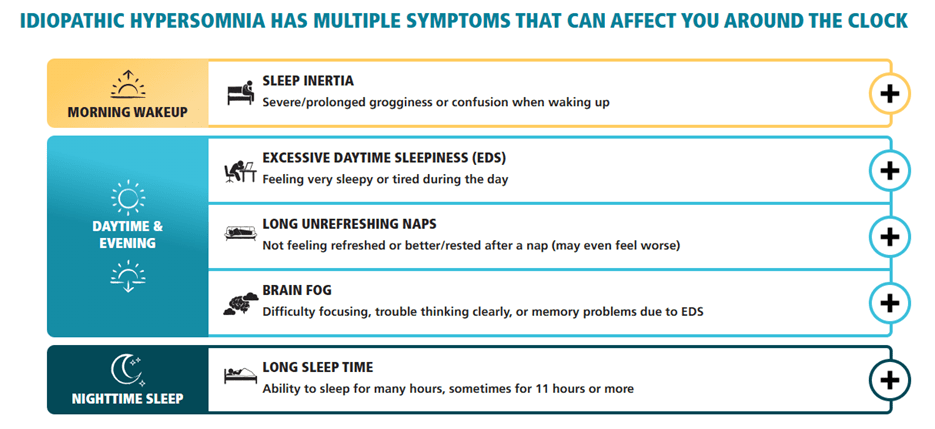
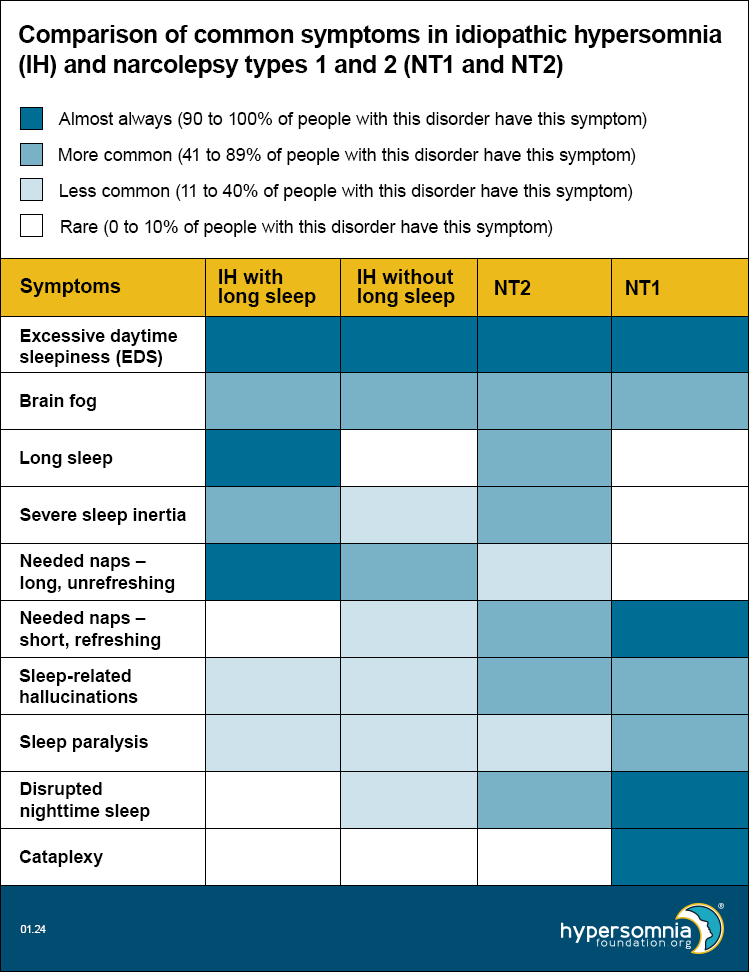
“Idiopathic hypersomnia (IH) is a rare, chronic, neurological sleep disorder characterized by excessive daytime sleepiness despite normal sleep durations. Additional common symptoms can include severe sleep inertia (individuals may feel groggy or disoriented for prolonged periods after waking up), unrefreshing naps, fatigue and cognitive dysfunction. The underlying neuropathology of idiopathic hypersomnia is unknown. IH affects an estimated 40,000 people in America.”
What is the ALKS 2680 Vibrance-3 clinical trial?
According to the Alkermes press release published April 1, 2025: “…Alkermes plc (Nasdaq: ALKS) today announced the initiation of Vibrance-3, a phase 2 clinical study evaluating the safety and efficacy of ALKS 2680 compared to placebo in adults with idiopathic hypersomnia (IH). ALKS 2680 is the company’s novel, investigational, oral, selective orexin 2 receptor (OX2R) agonist in development as a once-daily treatment for narcolepsy type 1, narcolepsy type 2 and IH – chronic, neurological disorders characterized by excessive daytime sleepiness.”
What is Orexin?
“Orexin, a neuropeptide produced in the lateral hypothalamus, is considered to be the master regulator of wakefulness due to its activation of multiple, downstream wake-promoting pathways that project widely throughout the brain. Targeting the orexin system may address excessive daytime sleepiness across hypersomnolence disorders, whether or not deficient orexin signaling is the underlying cause of disease.”
This part about orexin is really interesting to me. The way it was explained to me is that orexin is a chemical in the brain that promotes wakefulness. In Narcoleptics, the orexin pathway is destroyed, preventing the orexin from supporting wakefulness. In IH patients, the pathway is disrupted (but not destroyed!). The hope is Vibrance-3 will address the pathway issues to deliver the orexin and lead to more wakefulness in Narcolepsy and IH.
How does this trial work?
“Vibrance-3 is a phase 2, randomized, double-blind, dose-range-finding, placebo-controlled study evaluating the safety and efficacy of ALKS 2680 in adults with IH.” Basically, I will randomly get a dose of ALKS 2680 (10mg, 14 mg or 18mg) or receive the placebo every two weeks for eight weeks. No one knows what dosage I will get each time. “The primary endpoint will assess, by dose level, whether participants taking ALKS 2680 experience a greater decrease in sleepiness compared to participants taking placebo alone, as measured by the change in Epworth Sleepiness Scale (ESS) score.”
How many participants are participating?
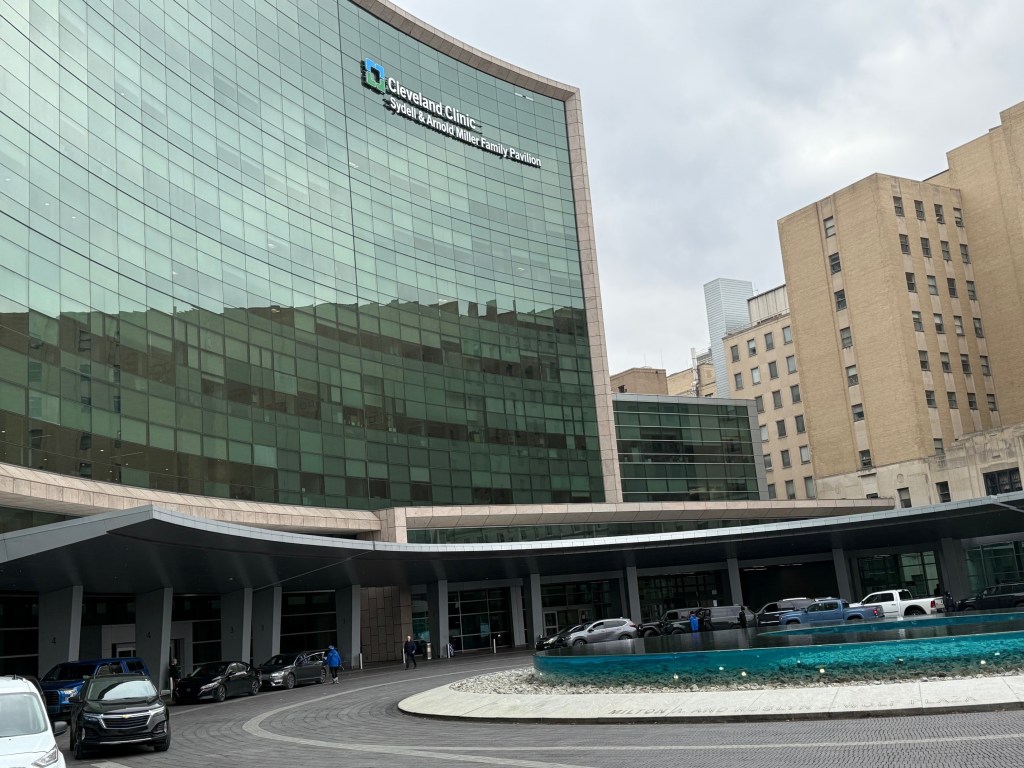
This study is expected to have 96 IH patients from the U.S., Australia and Europe. Last I heard, there are eight countries participating. I have accepted one of five slots available at the Cleveland Clinic. I know Cleveland is looking for more participants, so if you have IH and Cleveland is accessible, you should reach out to the Cleveland Clinic Sleep Disorder Center.
Why does this trial matter?
“The initiation of Vibrance-3 represents an important step forward for the ALKS 2680 development program as we seek to advance a potential new treatment option for people living with idiopathic hypersomnia. There remains high unmet need for the idiopathic hypersomnia community, as evidenced by a recent survey conducted by the Sleep Consortium in which more than 90% of patients surveyed indicated that IH symptoms had a moderate to high impact on their life,” said Craig Hopkinson, M.D., Chief Medical Officer and Executive Vice President, Research & Development at Alkermes.
And it matters to yours truly because Adderall is the only other medication that has helped, despite the side effects, and it doesn’t help consistently. I have also tried Modafinil, Armodafinil, Sunosi, Jornay PM, Ritalin and Xywav, with no success or very little success combined with strong side effects.
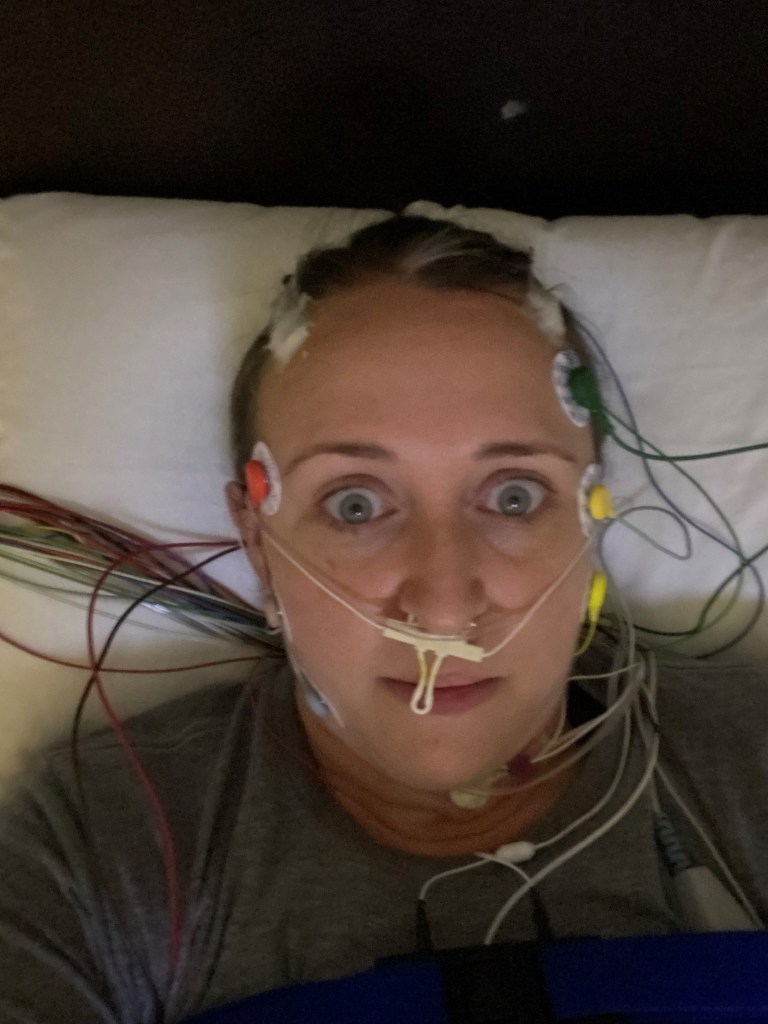
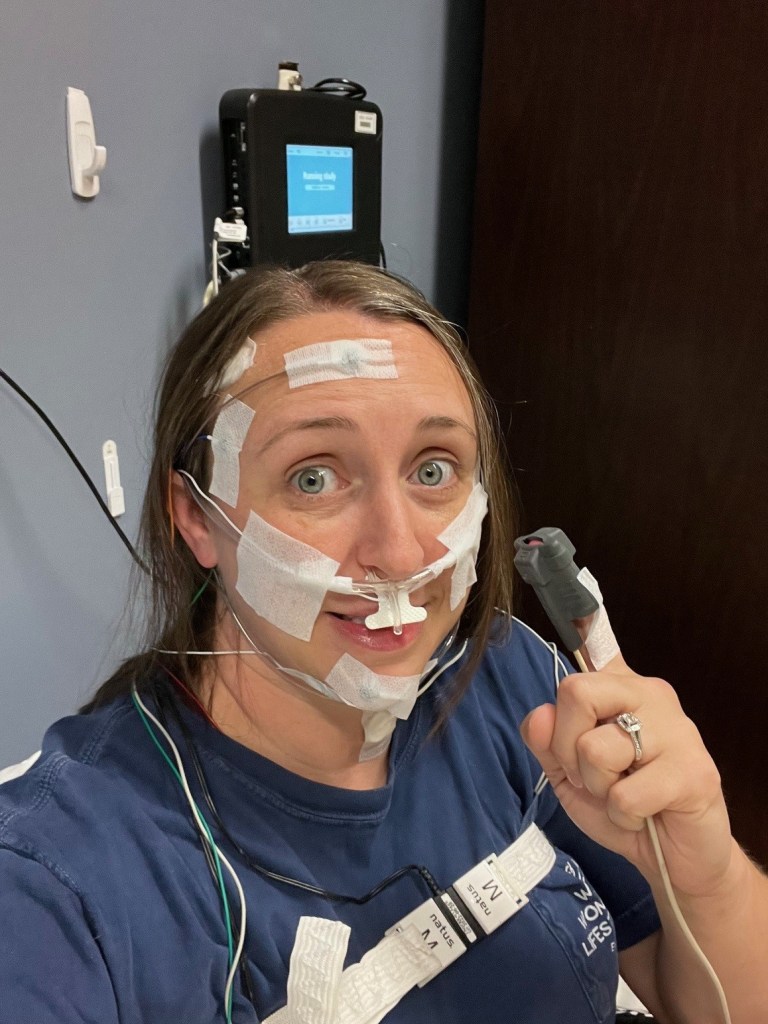
Stick with me on this journey. Next up, I repeat sleep studies at the end of the month with the intention of starting Vibrance-3 – or a placebo – on New Year’s Eve.

 Little Did She Know